
Create an Emergency Information Pack That's Actually Useful
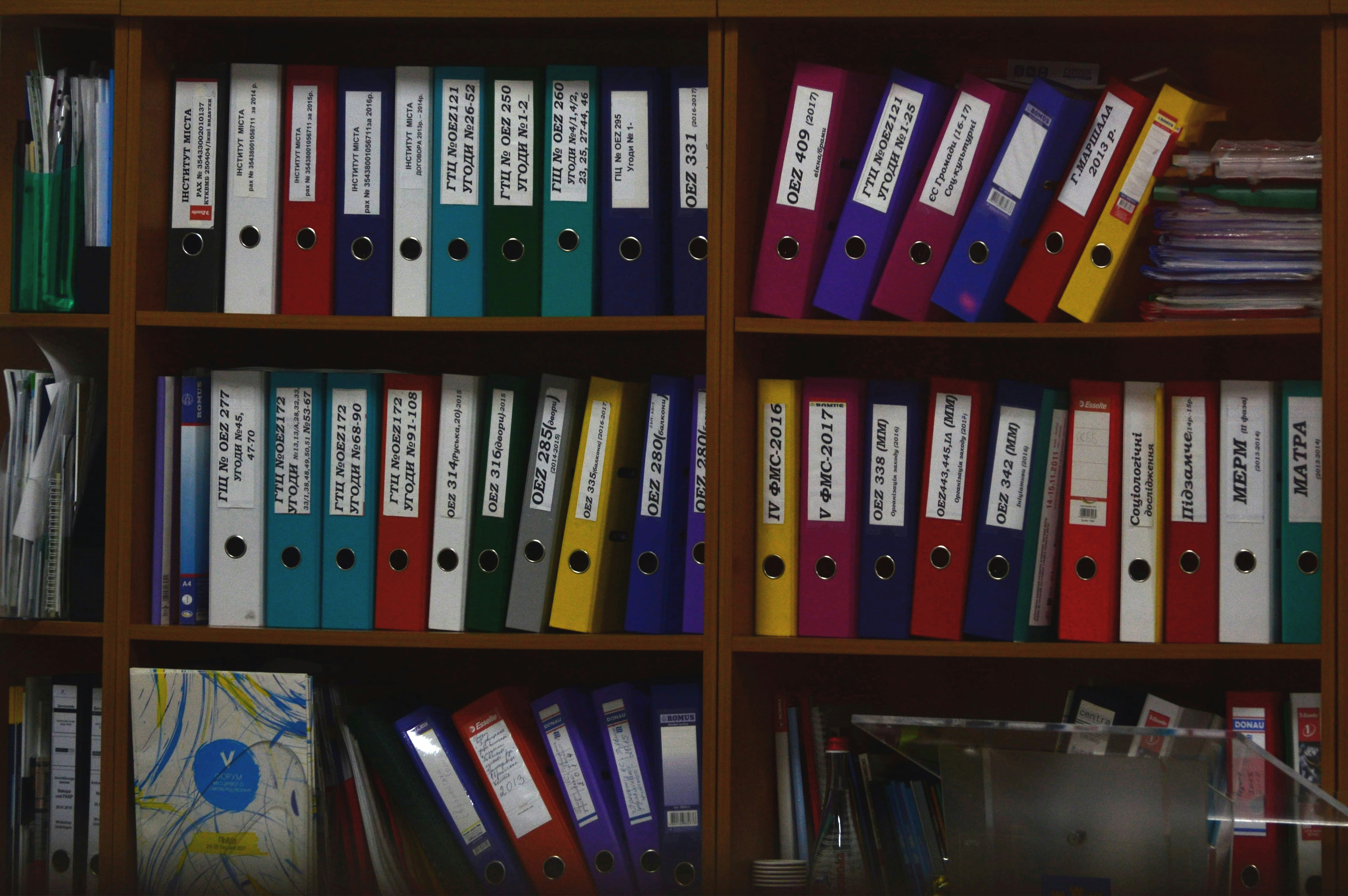
Soon after her aunt died, Ana was in a lawyer's office with a list of questions that should have been simple — where the bank statements lived, which insurer held the home policy, who had the deed. Nobody knew. Not her uncle, not her cousins, and certainly not the filing cabinet in the study, which was full of paperwork from 2003.
This isn't a rare problem.
What "Emergency Information" Actually Means
When someone has to step in — tomorrow or in twenty years — they need access to three categories of information.
- The physical essentials. Medical records, insurance policies for health, home, auto, and life (make sure they have the policy numbers and agent contact details), financial accounts, as well as the deed or mortgage on your home. Crucially, this category also includes digital accounts that nobody thinks of as documents: email, cloud storage, PayPal, Venmo, cryptocurrency — anything holding money or sensitive information.
- The legal anchors. A will or trust, healthcare power of attorney, financial power of attorney, beneficiary designations on retirement accounts and life insurance, a list of recurring bills and subscriptions to cancel or transfer, the last three years of tax returns, and your accountant's contact details.
- The (usually-forgotten) details. Emergency contacts who aren't family — a close friend, a colleague, a therapist, a financial adviser, clergy. Digital assets with monetary or sentimental weight (photos, writing, domains, social accounts). Pet care instructions, with the vet's number. And any letters or messages you'd want your family to read if you weren't there to say them.
Most people make it partway through the first category and stop, but making through all three is where this actually becomes useful.
The Access Problem That Kills the Whole System
This is where most emergency packs fall apart. You gather everything, you organize it beautifully, you put it in a folder on your computer or a binder in a safe, and the moment someone needs it, they can't reach it.
If it's password-protected, who has the master password? Not written down? Then it's locked forever. Written on a sticky note behind your desk? Your family will find it three months after they've already had to change it. Stored on your laptop? Your heirs can't log in. Held by your attorney? You'd be surprised how many people don't remember they did that.
An emergency information pack is no use in an emergency if the people who need it can't get to it.
This is why encrypted vaults built for family sharing matter — not because encryption is special on its own, but because they solve the actual problem. Your family can access this information without you present, without remembering a detail you mentioned in passing three years ago, and without paying a lawyer for a court order. You still get to keep the contents private from anyone outside your circle.
Then write down where to look and tell at least two people — a spouse, an adult child, a sibling, your executor. Make it part of the information itself: "Everything is here. Ask for access here."
An Emergency Pack Isn’t One Thing
If you're suddenly incapacitated — a stroke, a car accident, a fast-moving illness — your family needs information within hours. They’ll need your medical history, current medications, healthcare preferences, who to call, etc.
If you die, expected or not, the information is different. Your loved ones will need access to bank accounts so they can pay bills, insurance paperwork so they can file claims, legal documents so they can settle the estate, a will or trust so they know who gets what. This information is needed over weeks and months, and the search can be thorough rather than panicked. Different people need different things on different timescales.
Maintenance Is Easier Than You Think
People often don't start building their emergency packet because they're worried about upkeep. The burden feels enormous: surely you'd have to update everything constantly — every time you switch banks, change medications, buy a house?
You will update it, but less often than you'd think, and mostly in batches.
Update immediately for medication changes, new chronic conditions, a new emergency contact, a change in your healthcare preferences or end-of-life wishes, a new will or trust, a change in power of attorney, any new insurance policy, or a major shift in your financial life (new job, inheritance, significant debt).
Update annually for insurance policies and agent contacts, your list of recurring bills, account numbers that may have changed, and tax documents. Verify that your emergency contacts are still accurate and still willing.
Update as needed: usernames after password changes (unless you store passwords — more on that below), pets, a move, and updates to any "messages to my family" section.
That's it. One thorough review a year, plus maybe twenty minutes when something actually changes. You're not maintaining a second life; you're updating an emergency contact in your phone.
One rule worth considering: don't store passwords themselves in your emergency pack. Store recovery methods instead — the security questions on the account, the recovery email, the location of the password manager. Passwords change. Recovery methods don't, and they're what someone is going to actually need when you're not there to type things in.
What You're Protecting
This all sounds abstract until it isn't. Until you're sitting with your uncle trying to work out which of his sister's three bank accounts holds enough for the funeral, or your parents are ill and your sibling needs to know whether you have a health directive on file.
An emergency information pack isn't insurance against disaster, and hopefully most people won't need it the way you're preparing for it. But the people who do need it — your family, on the worst day they'll have for a while — will need it desperately, and they'll need it to be complete, accurate, and findable when they're not thinking clearly.






Private AI for Life
Live your best life with Thinkspan: the all-in-one smart solution for organizing, securing, and accessing personal information. With Thinkspan, your life's most important information stays protected and accessible.

Stay Informed
Be the first to know about feature releases and get tips for living your best life by signing up for our newsletter.