
The Hidden Cost of App Switching: Why Your Digital Life Needs Consolidation

Every time you switch apps, you lose a slice of attention along with the time – a thought you were halfway through, the working-memory contents you'd just loaded in, the context you needed to make the next decision. Neuroscientists call this context switching – graphic designer might bounce from Slack to Notion to Miro to Google Drive in the span of a single revision. Each switch is a small cognitive tax, and the small taxes add up.
Your Brain on App-Switching
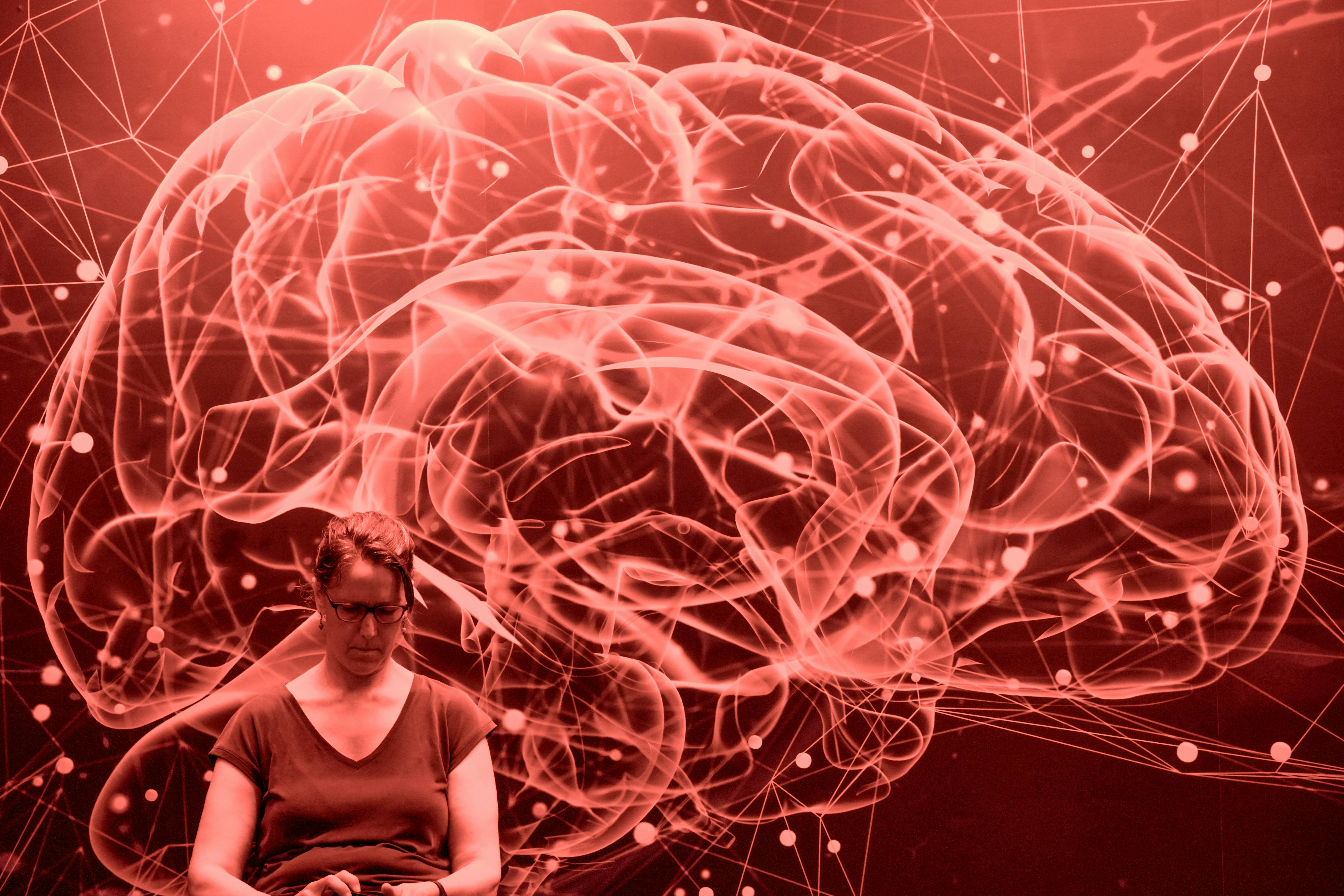
When you switch tasks, your brain doesn't switch right away. There's a lag called "attention residue" – the cognitive equivalent of drag. Gloria Mark's research at UC Irvine puts the average recovery time at twenty-three minutes after an interruption. The awkward part is that most app switches are self-imposed. You initiate them, which trains your brain to expect fragmentation.
The cost isn't linear, either – one switch costs you a measurable amount of attention, but five switches in an hour cost you exponentially more, because you never reach the state where real work happens. That's where designers make elegant decisions, where doctors actually think about a patient, where architects solve problems instead of shuffling information between tools.
Where Did I Put That?
Fragmentation creates friction. The designer with a key reference file knows it exists and knows it matters, but was it in the shared Drive folder, or did someone send it in Slack, or is it tucked into a Notion database somewhere? Fifteen minutes of hunting later, she still hasn't started the actual work.
This is the tax of distributed information. There's no central, searchable knowledge system, so you become the search algorithm, manually cross-referencing between incompatible systems every time you need something. The worst part is that you already did this work once. You found the file, organized it, made it useful, and now you still can’t find it.
The Productivity Illusion
Distributed apps create distributed attention. Each app’s notifications are designed to demand attention. Most aren't urgent, but all of them feel like they might be. All that jumping around – clearing notifications, liking Slack messages, etc. – creates a convincing illusion of productivity.
The apps themselves aren't the problem. Notion, Slack, and Drive are all useful in their own right. The trouble starts the moment you have to think across multiple domains – connecting a client request in one place to a project timeline in another to a design file in a third – because you've now created a coordination problem only you can solve, manually, every time.
What Happens When You Stop Switching
What happens when you stop – not by "minimizing" or "using fewer apps" in the abstract, but by actually consolidating your information and tools into one working system?
The texture of the day changes. You stop losing fifteen-minute stretches to search, stop juggling five interfaces, stop monitoring six inboxes. Your brain comes off coordination duty and starts focusing on the work. The designer who consolidates her workflow stops splitting her attention between five apps and starts with one space – somewhere like Thinkspan, where the client message lives next to the relevant files and the project timeline – and when she needs to think, she can actually think.
Why It's Worse Now
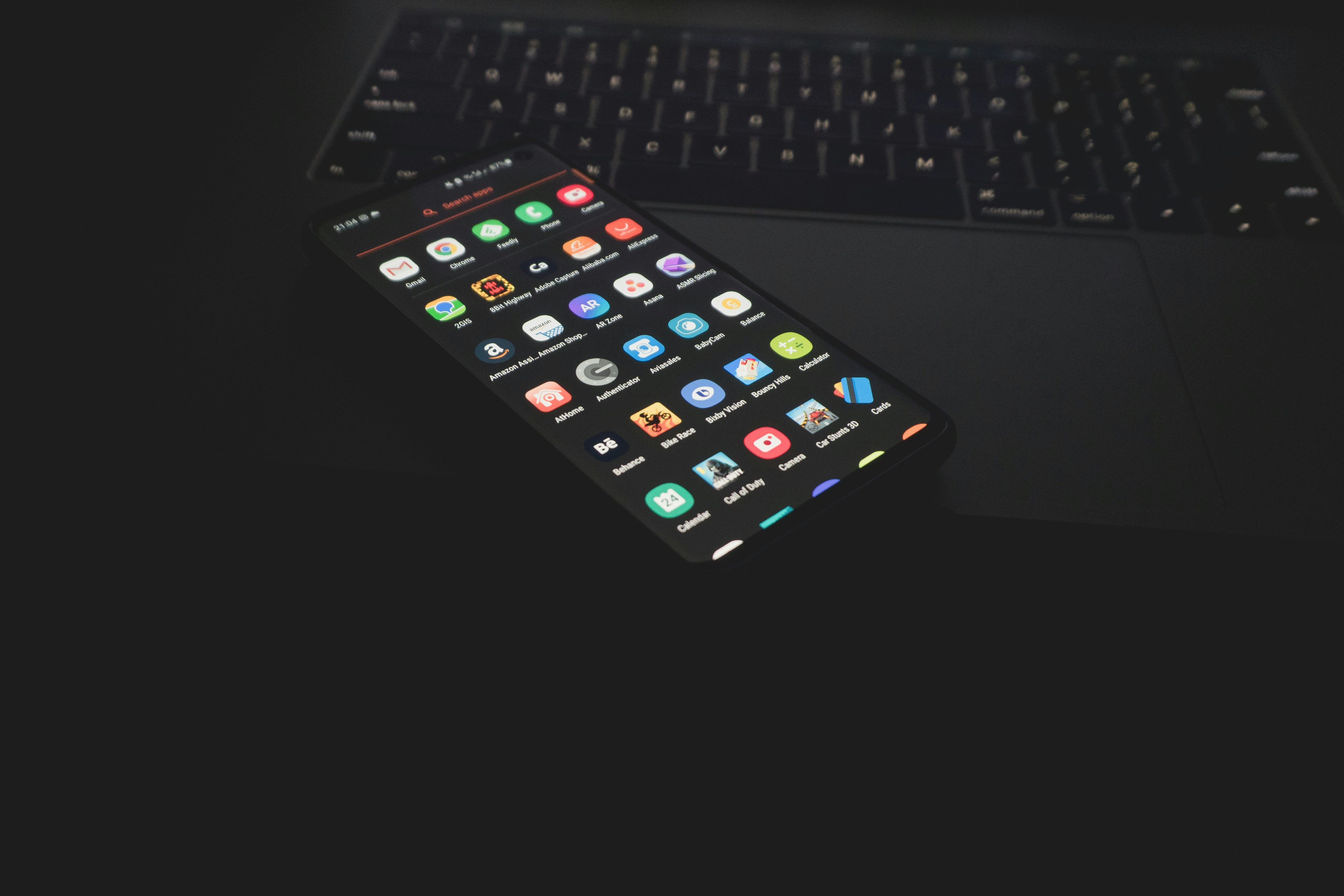
The number of specialized applications has exploded. In 2020, the average knowledge worker used eight tools; the figure now sits closer to thirteen, with people juggling general-purpose apps alongside single-purpose ones – a separate tool for design, chat, databases, whiteboarding, and so on. "Staying organized" has fragmented work across dozens of apps, each solving one piece of it, which means the cost of staying fragmented keeps rising. Not just in time, but in the friction between thinking about your work and actually doing it.
Fewer Metaphors, Not Fewer Apps
The key insight: fragmentation isn't inevitable, and neither is the cognitive tax. It's a structure imposed on your digital life by which tools you happen to use, which means it's a choice you can unmake. The designer who decides she's done hunting for files across five systems will spend an afternoon consolidating, then spend months not thinking about where anything is.
That's the dividend of a coherent system – the cognitive space you get back, the bandwidth that was going toward coordination now available for the actual work and the thinking only you can do. Thinkspan was built for exactly this – by giving you one framework for everything so your digital life doesn't have to be a maze. Consolidation isn't really about minimalism – it's about refusing to let your tools manage you.





Private AI for Life
Live your best life with Thinkspan: the all-in-one smart solution for organizing, securing, and accessing personal information. With Thinkspan, your life's most important information stays protected and accessible.

Stay Informed
Be the first to know about feature releases and get tips for living your best life by signing up for our newsletter.