
The Digital Organization Revolution: How Different Users Approach Knowledge Management

The internet is full of companies selling a single system for digital organization, promising that one app that will fix everything. They sell it hard because a universal answer is easier to market than the truth, which is that a retiree with thirty years of files, a parent running a household, and a security-obsessed engineer want completely different things from the same software. A system that serves one of them well will probably fail the other two.
Digital information doesn't behave like paper. Left alone, it produces a specific kind of low-grade dread: the sense that something important is in here somewhere, and you'll find it eventually, probably, when you need it least. The fix is a system that matches how you actually live.
Here's how that plays out for three very different people.
Busy Parents: Organize for the Next Five Minutes
A parent's relationship with information is governed by one goal: get through the day without dropping anything. The permission slip is due tomorrow. The insurance card is needed for the field trip in an hour. The pediatrician wants the vaccination record by Friday.
A parent does not care which folder something "belongs" in. They care whether they can find it while holding a toddler in one arm. That changes what a good system looks like. It has to be fast to add to, because the moment of capture is usually chaotic – a photo of a form snapped in a school hallway, a voice note in the car. It has to be forgiving, because nobody is going to maintain a tidy taxonomy at 7am. And it has to be shareable, because the other parent needs the same information without a phone call.
The parent systems that survive are the ones built around capture first and organization later – or never. You throw the thing in, you trust you'll find it, and the tool does the remembering. As the kids grow, the categories change completely, so anything that depends on a fixed structure breaks within a year. The best systems bend instead.
Recent Retirees: Organize for What Outlasts You
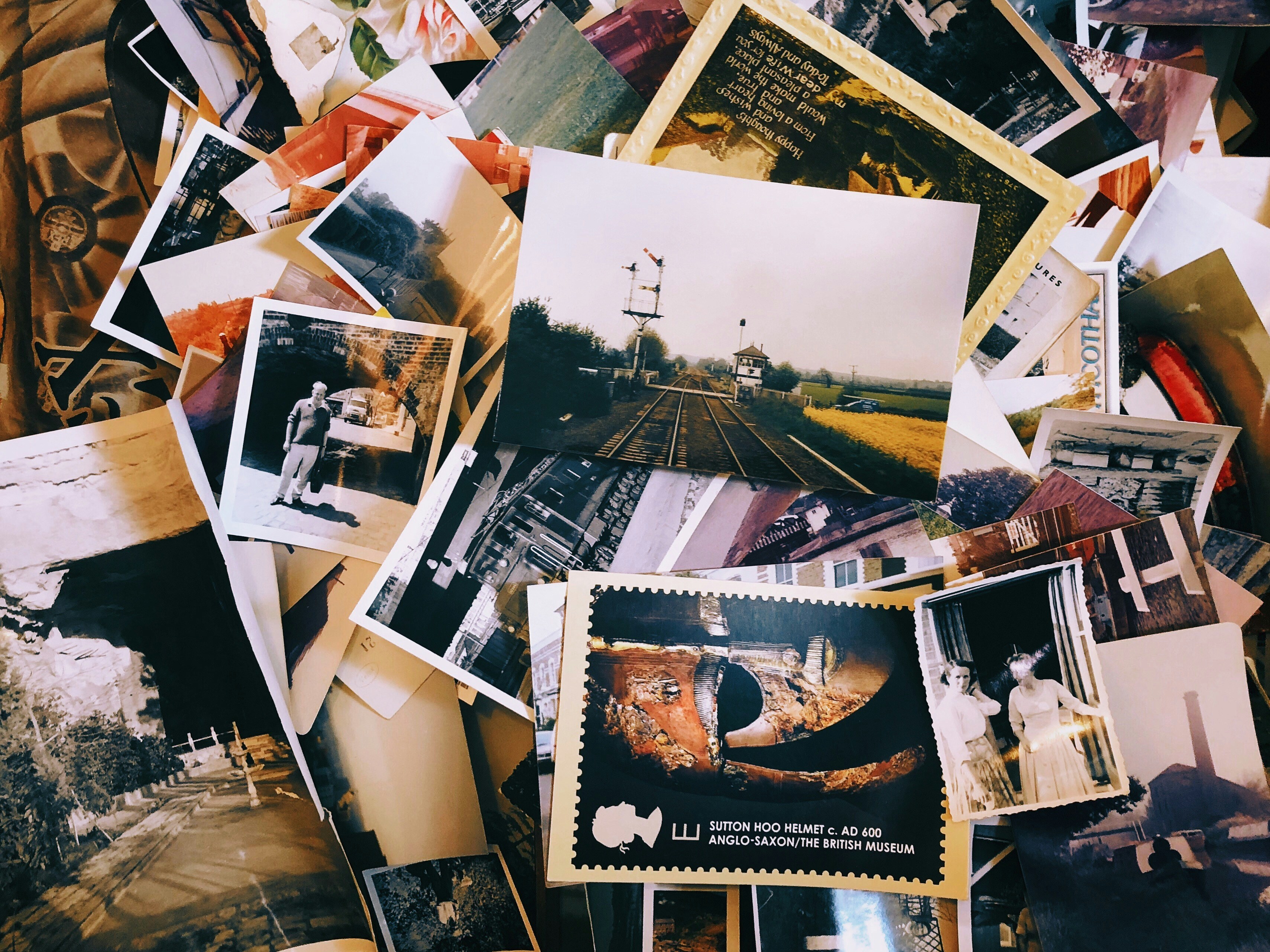
Retirees face a different problem, and it's a more emotional one. Decades of letters, photos, documents, and records have accumulated across shoeboxes, hard drives, and three email accounts. Some of it matters enormously. Some of it is duplicate scans of a 2004 tax return. Sorting which is which is the work.
The goal here isn't speed. It's coherence and continuity. A retiree organizing their digital life is often really doing two things at once: making sense of a life's worth of material, and preparing to hand it on. That second part matters more than most software accounts for. The grandchildren who'll inherit these files approach technology differently, and a system that only the original owner understands becomes a time capsule nobody can open.
The systems that work for retirees emphasize connection over filing. Linking a letter to the person who wrote it, a photo to the trip it came from, a document to the year it mattered. Stories, not folders. For this user, reflection and transfer are as important as storage, and the tool should treat them that way.
Security-Minded Users: Organize for the Worst Case
Then there's the person who reads the privacy policy. For them, the first questions about any piece of information aren't where does this go, but who can see this, how is it encrypted, and what happens if my device is lost or seized.
These users want classification, access control, redundancy, and encryption that holds up to scrutiny rather than marketing. They'll happily spend an evening setting up a system the other two users would find exhausting. But there's a trap waiting for them, and most of them know it: a system complex enough to be perfectly secure is often too complex to use consistently. The most secure vault in the world fails the moment its owner gets tired of it and starts dumping things in plain old cloud storage ‘just for now.’
The honest version of security-first organization accepts a trade. It has to be strong enough to trust and simple enough to keep using on a bad day. It doesn’t matter how secure a system is if you eventually abandon it.
What These Three Have in Common
The needs look incompatible – but they aren’t. Underneath the parent's speed, the retiree's continuity, and the engineer's paranoia is the same wish: find what I need, when I need it, without the tool getting in the way.
The tools converging on that wish tend to share a few traits. They let you organize the same item more than one way at once, so you don't have to predict the future when you save something. They protect privacy without making it a chore. And they sync across devices without handing your data to whoever runs the servers.
But the tool is the smaller half. The larger half is the habit. The people who thrive in this digital era aren't the ones with the most advanced software. They're the ones whose system matches their actual life – their goals, their constraints, their tolerance for fiddling.
Where Thinkspan Sits
Thinkspan is built to bend toward whichever of these you are. Because it runs on a knowledge graph rather than a folder tree, the same document can connect to a person, a date, a place, and a project at once – which is what lets the parent find things fast, the retiree build stories, and the security-minded user keep tight control without rebuilding their whole structure every time life changes.
The encryption is zero-knowledge, so the security-first user gets a vault we genuinely cannot read into, and the other two get that protection without having to think about it. The capture is quick enough for the hallway-photo moment, and the structure is flexible enough to survive a decade of changing needs.
We didn't build one system and hope it fits everyone. We built something that reshapes around the person using it. That's the only version of "the best organization system" that survives contact with real people.
So don't ask "what's the best way to organize my digital life?" It has no answer. Ask instead: what do I need my system to help me actually do? Get through the week. Pass something on. Sleep at night knowing it's locked.
Answer that honestly, and the right system mostly picks itself.






Private AI for Life
Live your best life with Thinkspan: the all-in-one smart solution for organizing, securing, and accessing personal information. With Thinkspan, your life's most important information stays protected and accessible.

Stay Informed
Be the first to know about feature releases and get tips for living your best life by signing up for our newsletter.