
The Second Brain: Extend Your Memory to Improve Your Thinking
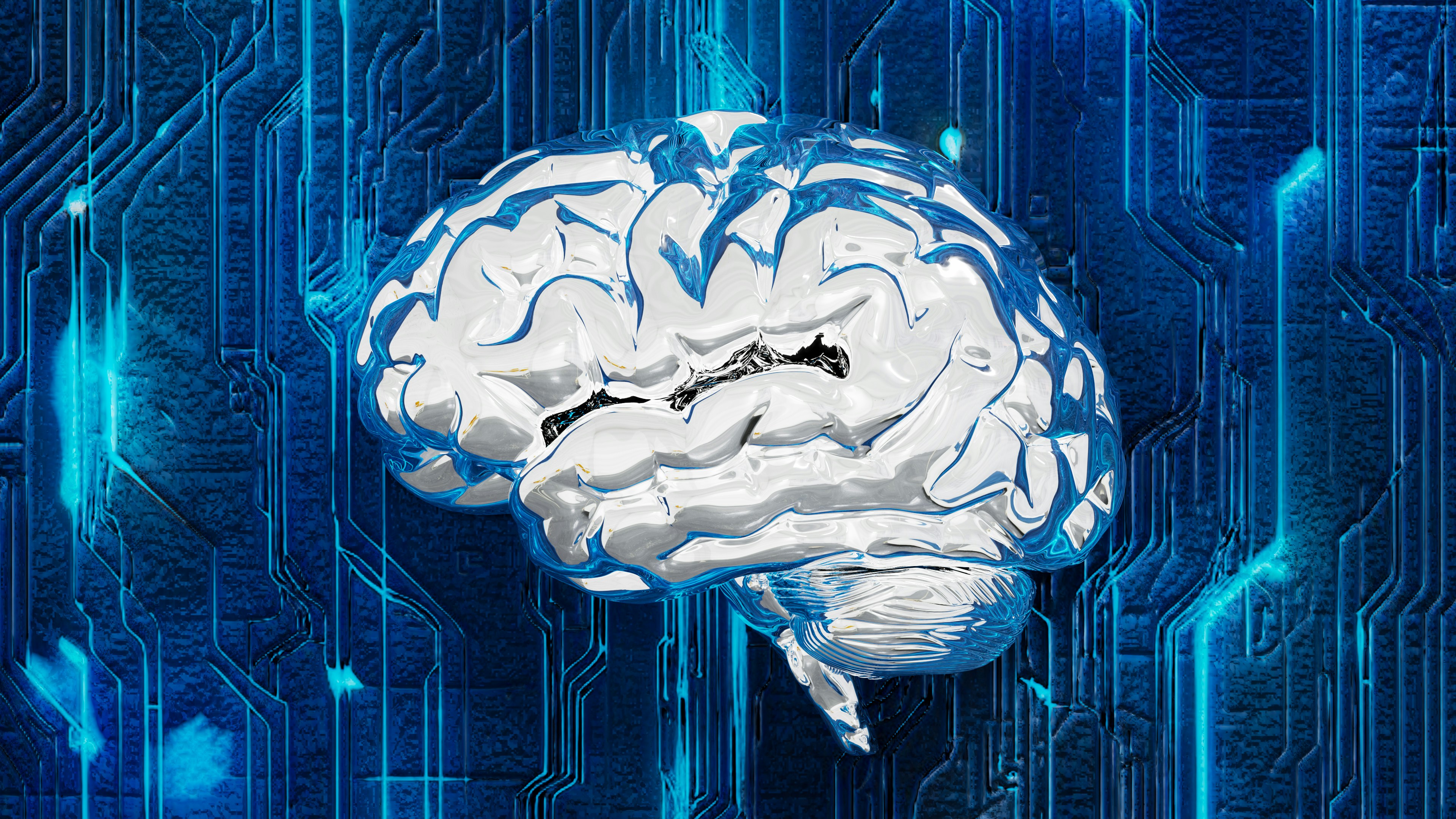
Your mind is extraordinary, and yet it regularly forgets simple things like last week’s brilliant idea or the key point of an article you swore you’d remember. This isn’t a flaw. It’s simply how human memory works. Our brains are built for creativity and pattern recognition, not flawless storage; our memory is reconstructive, not archival. Every time you recall something, your brain rebuilds it from fragments, which is why details blur or disappear entirely.
Researchers have known this for over a century; the “forgetting curve” shows that we lose most new information within the first day unless we intentionally reinforce it. And to be honest, for most things, this is totally fine. Remembering is not the same as understanding – and understanding is what actually matters for decision-making, creativity, and long-term growth.
This is where the idea of a second brain becomes powerful. Instead of asking your natural memory to do more than it can, you extend it with digital tools that capture, organize, and connect information so your real brain can do what it does best, create and think.
What is a Second Brain?
Think of a second brain as an external companion to your natural one, not a replacement, but an extension. When you offload information into a reliable system, you free your mind for higher-level thinking: analysis, synthesis, problem-solving, creativity. Every piece of captured information becomes fuel for future insights, the trick is storing it in a way your future self can find and use.
Cognitive scientists call this the extended mind: the idea that tools seamlessly integrated into your thinking effectively become part of your mind itself. When your notes, ideas, documents, and tasks live in a system designed to surface connections, you can think thoughts you would never reach through memory alone.
Core Principles of Building a Second Brain
A sustainable second brain rests on four simple, durable skills:
Capture
Capture isn’t about saving everything, it’s about catching the ideas that matter before they escape. The best systems reduce friction so that saving something takes seconds, and always includes enough context that your future self understands why it mattered.
Organize
Once captured, that information needs a home. Organization is about creating a structure where you can actually find things when you need them. Categories should be broad enough to flex with your life but specific enough to support real projects.
Distill
Raw notes rarely become useful on their own. Distillation is the process of extracting the signal from the noise: highlighting key ideas, summarizing insights, and creating versions of information you can use quickly. Techniques like progressive summarization make knowledge more powerful the more you interact with it.
Express
The true point of any second brain is expression: writing, solving problems, making decisions, creating value. Your system should make you into the most generative, inventive, creative version of you.
Choosing the Right Tools
Digital tools matter, but not because one is “the best.” They matter because different people think differently. Visual thinkers might thrive with diagrams or mind maps. Linear thinkers might prefer outlines. Some people need structure; others need flexibility. The right tool is the one you’ll use consistently.
Many successful second brains blend both digital and analog tools. Handwriting sparks different cognitive processes than typing; arranging physical cards can trigger insights that screens don’t.
It can be super tempting to chase new tools, feature lists, or complex systems, but tool obsession is one of the biggest traps. Once you find something that works for you, it’s about spending your time actually using it, not looking for the next shiny thing.
Start Building Your Second Brain
Most people already have fragments of a second brain: notes on your phone, bookmarked articles, a stack of journals, saved screenshots, scattered documents. You’re not building this from scratch. Your first step is to slowly evolve these habits into something intentional and sustainable.
Start by noticing where information already flows easily for you. Capture ideas in the places you naturally think. Choose tools that support – not disrupt – your existing workflow. Create a simple weekly review to process what you’ve collected. And measure success not by how much you store, but by how much clarity you gain. A tool like Thinkspan might be the perfect place to capture and link the notes you take with quotes you find.
So What?
A functional second brain doesn’t make you remember more (that’s a whole separate article on the memory palace!), but it does let you think better. When you stop using mental energy to hold information, you gain space for better decisions, creativity, and ingenuity. You’ll start to notice patterns and learn to use the information you’re taking in for your own projects.






Private AI for Life
Live your best life with Thinkspan: the all-in-one smart solution for organizing, securing, and accessing personal information. With Thinkspan, your life's most important information stays protected and accessible.

Stay Informed
Be the first to know about feature releases and get tips for living your best life by signing up for our newsletter.