
Understanding End-to-End Encryption: Why It Matters for Personal Organization
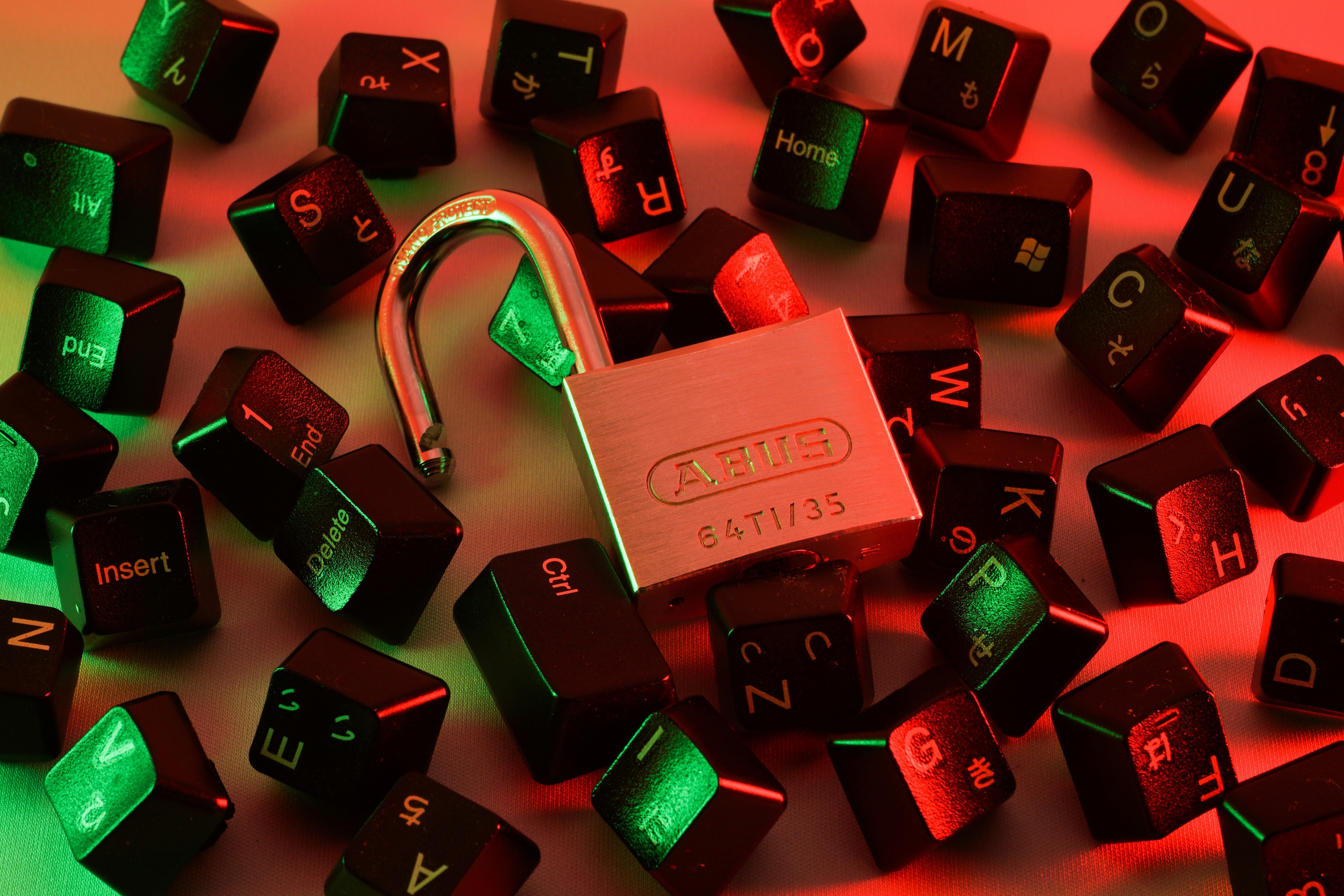
Every time you send a message, upload a document, or store something in the cloud, an invisible system is at work protecting your privacy. End-to-end encryption is the technology behind that protection—a method that transforms your data into unreadable code the moment it leaves your device, ensuring that only you and your intended recipient can unlock it.
Yet despite its importance, many people misunderstand how encryption works or underestimate its role in everyday digital life. Poor assumptions—such as believing “I have nothing to hide” or assuming all cloud services protect you equally—leave personal information exposed to criminals, corporations, and unintended access. Understanding encryption isn’t a theoretical exercise; it’s practical self-defense in a world where your data is constantly on the move.
What End-to-End Encryption Actually Means
When you send encrypted data, it’s immediately transformed into a form no human—or computer—can read without a unique decryption key. The data remains encrypted while traveling across networks and even while stored on servers. Think of it as an armored lockbox that no courier or bystander can open—not even the company running the service.
This is what makes end-to-end encryption fundamentally different from older encryption models. In point-to-point systems, data is decrypted and re-encrypted along the way, creating opportunities for interception. With end-to-end protection, the service provider never has access. Even a data breach on their servers yields only meaningless strings of encrypted characters.
This is the core promise: your data remains yours, regardless of who handles it during its journey.
Common Encryption Misconceptions
One of the most persistent myths is the idea that “privacy is only for people with something to hide.” But privacy is not secrecy—it’s control. Locking your front door doesn’t mean you’re hiding wrongdoing; it means you value autonomy and safety. The same logic applies digitally.
Most personal information is harmless in isolation—your address, shopping habits, travel plans—but becomes dangerous when misused. Criminals, advertisers, and automated systems can exploit unprotected data in ways that lead to identity theft, manipulation, discrimination, or harassment.
Data breaches illustrate the difference between encrypted and unencrypted protection. When unencrypted information is stolen, it can be used immediately. But properly encrypted data remains unreadable even in the hands of attackers.
Real-World Benefits for Personal Information
End-to-end encryption protects the building blocks of your identity. Your Social Security number, financial records, medical information, and private communications cannot be exploited if they remain encrypted at every step.
Financial data becomes dramatically safer when encryption shields your spending patterns, account details, and investment activity. Medical privacy is preserved not just from hackers, but from employers, insurers, or others who might misuse sensitive information. And messaging encryption protects the intimacy of your conversations—ensuring your words cannot be intercepted, stored, or taken out of context later.
In short, encryption protects normal, everyday information that becomes harmful only when placed in the wrong hands.
Evaluating Encryption in the Services You Use
Many companies make sweeping claims about “bank-level security” or “military-grade encryption”—phrases that often serve more as marketing than meaningful protection. Instead, look for clear, verifiable answers to a few questions:
- Does the service use true end-to-end encryption?
- Can the company access your data, even if compelled by a court order?
- How are encryption keys generated and stored?
- Do they submit to regular, independent security audits?
If a company can reset your password without losing access to your data, provide “customer service” that requires looking at your documents, or cannot explain its encryption approach clearly, your information is not fully protected.
Implementation Considerations
Modern devices handle encryption with little noticeable performance impact. The more important consideration is key management. With true end-to-end encryption, losing your password may mean losing access permanently—because the provider cannot decrypt anything for you. Secure password practices and reliable backup methods are essential.
Cross-device syncing adds another layer of complexity. Your data should remain encrypted before, during, and after it moves across devices. Similarly, backups must preserve encryption at every stage to avoid creating new vulnerabilities.
Encryption is a powerful tool—but not a cure-all. Strong passwords, software updates, and thoughtful sharing practices remain part of a complete security strategy.
Making Informed Choices
End-to-end encryption should be standard for anything sensitive: financial records, medical information, legal documents, personal communication, and identity data. As digital threats become more sophisticated, choosing services with robust encryption is one of the most important decisions you can make for your privacy.
This week, review the apps and services you rely on. Look for explicit statements about encryption practices and consider switching to more secure alternatives where necessary. Understanding encryption gives you the ability to make informed, confident choices about the information you share and the systems you trust.






Private AI for Life
Live your best life with Thinkspan: the all-in-one smart solution for organizing, securing, and accessing personal information. With Thinkspan, your life's most important information stays protected and accessible.

Stay Informed
Be the first to know about feature releases and get tips for living your best life by signing up for our newsletter.